When you hear the phrase "sex work," what comes to mind? For many, it’s a stereotype: hidden alleys, shadowy figures, or sensationalized headlines. But for Vixen Temple - a writer, activist, and former sex worker - it’s about survival, identity, and the quiet rebellion of being unapologetically queer in a world that still doesn’t know how to handle it. Vixen doesn’t just talk about sex work; she lives it, writes it, and reshapes it through the lens of gender fluidity, trauma, and autonomy. Her story isn’t about glamour or grit alone. It’s about what happens when you refuse to be erased.
There’s a strange irony in how society treats sex work: it’s either glorified as a fantasy or vilified as a crime. Meanwhile, real people - like the girls escort in london who navigate safety, stigma, and survival every day - are left out of the conversation. Vixen’s work pulls them back in. She’s not asking for pity. She’s asking for recognition. And that recognition starts with understanding that queerness and sex work have always been tangled together, whether in underground clubs, online DMs, or the quiet corners of city apartments.
Queer Survival, Not Just Identity
Vixen grew up in a small town where being gender nonconforming meant being labeled "troubled." By sixteen, they were couch-surfing. By eighteen, they were working the streets. Not because they wanted to be a stereotype, but because rent was due, and no one else would hire them. "I didn’t choose sex work," Vixen says. "I chose to live."
That distinction matters. Too often, discussions around sex work assume choice is the only path to legitimacy. But what if your choices are narrowed by poverty, transphobia, or systemic abandonment? Vixen doesn’t romanticize survival. They document it. In their essays, they write about clients who treated them like humans, and others who treated them like objects. They write about the police who harassed them, and the queer community that sometimes turned away.
What makes Vixen’s voice different is the lack of performative pain. There’s no sob story. No redemption arc. Just honesty: "I did what I had to do. And I’m still here."
The Body as a Site of Power
For many queer people, especially trans and nonbinary folks, the body is a battleground. Hormones, surgeries, pronouns, clothing - every detail becomes political. For sex workers, the body becomes a commodity. But Vixen flips the script. They don’t see their body as something to be sold. They see it as something they control. "I decide who touches me, when, and how much it costs," they say. "That’s power. Not the kind the media sells. The kind that keeps you alive."
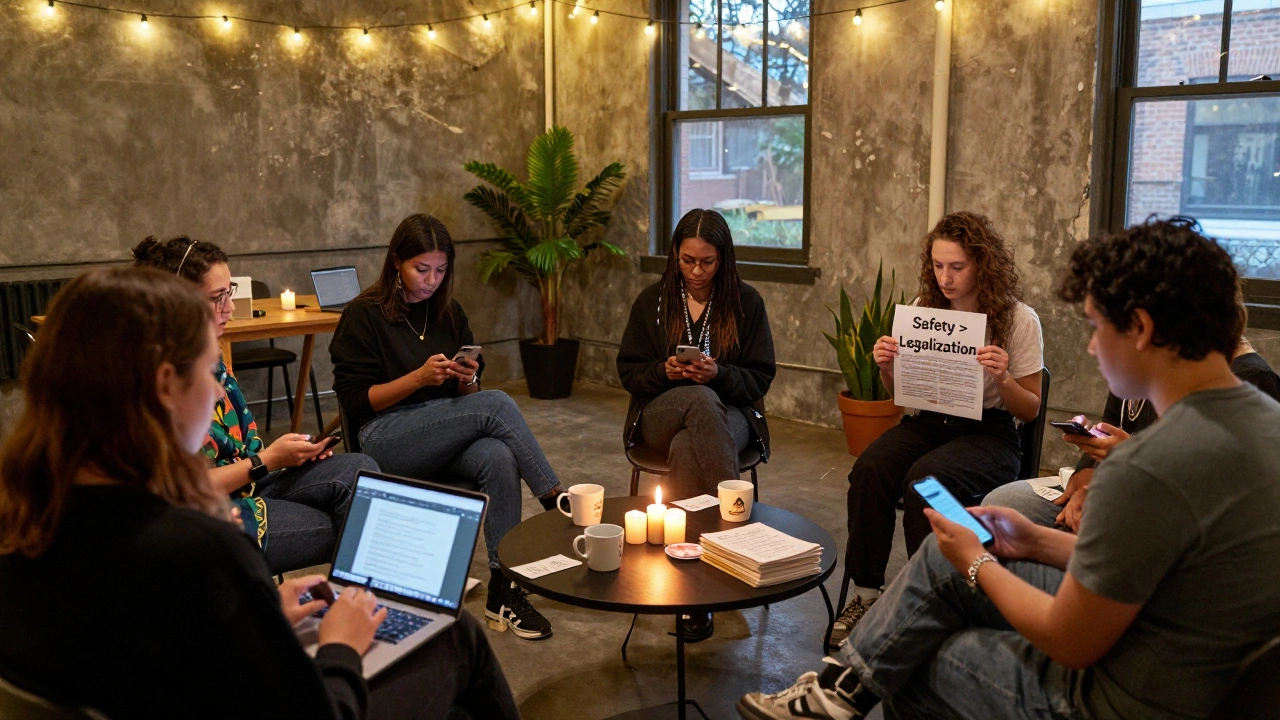
This isn’t just theory. It’s practice. Vixen runs a small collective in Melbourne that teaches queer sex workers how to screen clients, use encryption, and set boundaries. They don’t push for legalization - they push for autonomy. "Legalization doesn’t fix stigma," they explain. "It just adds paperwork to oppression."
They also reject the idea that sex work is inherently exploitative. "Some people are exploited. Some people thrive. Some people do both on the same day. Stop pretending it’s one thing."
The Euro Escort London Myth
There’s a whole industry built around the fantasy of the "euro escort london." Sleek cars. Designer clothes. Perfect lighting. A woman who smiles just right, speaks fluent English, and never asks for more than her fee. It’s a fantasy sold in ads, on websites, in films. But the reality? Most of those women aren’t from Europe. Many are migrants. Some are queer. Almost all are working under pressure - financial, emotional, or legal.
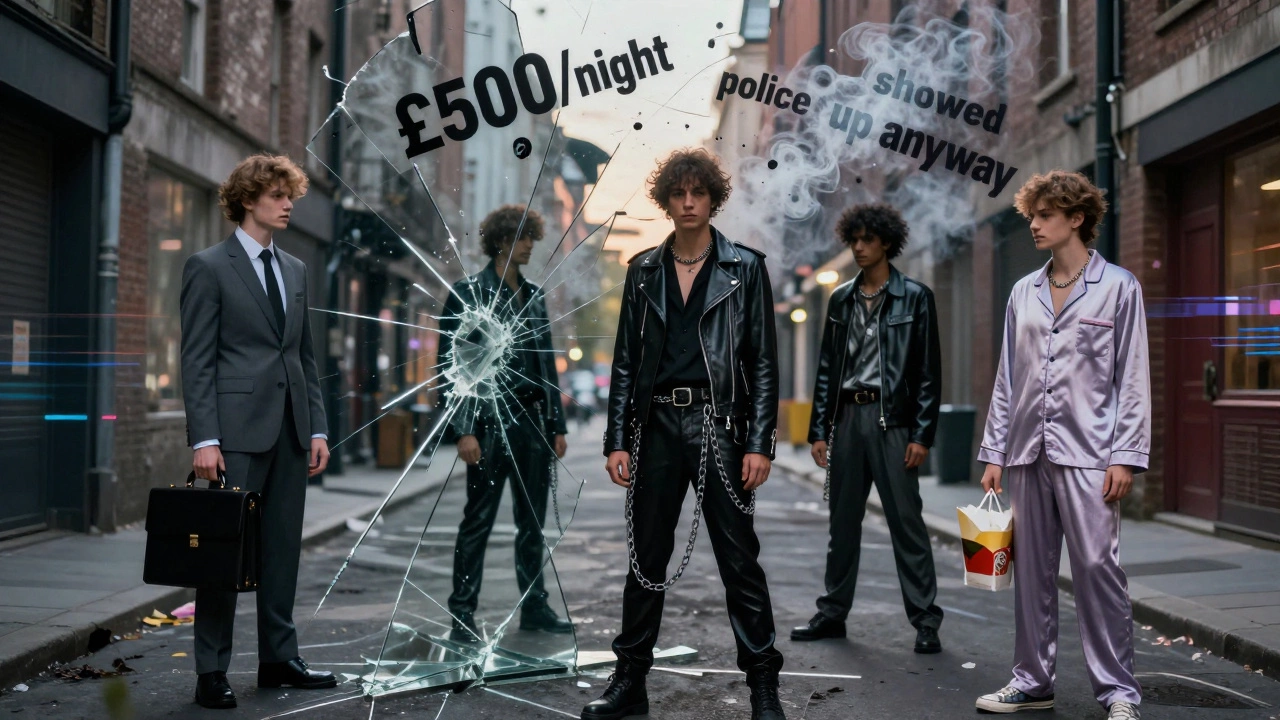
Vixen calls it "the packaging of pain." The aesthetic is polished, but the human cost is invisible. They’ve met women who were told they’d make £500 a night. They made £120. They were told they’d have private apartments. They shared rooms with five others. They were told they’d be safe. The police showed up anyway.
"Sexy london girls escort" isn’t a job title. It’s a marketing term. And marketing doesn’t care if you’re tired. Or scared. Or lonely. It just wants you to look good in the photo. Vixen refuses to be part of that image. Their photos are raw. No filters. No posing. Just them, in their own space, wearing whatever they feel like. No caption. No price. Just presence.
Why the Silence Still Exists
Why don’t more people talk about this? Because sex work, especially queer sex work, challenges too many comfortable lies. It challenges the idea that love should be pure and sex should be private. It challenges the idea that gender is fixed. It challenges the idea that poverty is personal failure.
Vixen’s work is often dismissed as too radical, too messy, too uncomfortable. But discomfort is where change begins. When a trans woman walks into a bank and is asked for ID that doesn’t match her name, that’s not a bureaucratic hiccup - it’s systemic violence. When a queer teen gets kicked out of their home and turns to survival sex work, that’s not a moral failing - it’s a policy failure.
And yet, the media still frames sex work as a choice between victimhood and empowerment. Vixen says: "I’m neither. I’m a person."
What Comes Next?
Vixen isn’t waiting for permission to be heard. They’ve published two books. They host a weekly podcast. They’ve spoken at universities, prisons, and queer youth centers. They don’t ask for allies. They ask for accomplices - people who show up even when it’s hard, even when it’s messy, even when it’s not trendy.
They’re also building a digital archive of queer sex workers’ stories. Not the polished ones. Not the ones that fit a narrative. The real ones: the ones where someone cried after a client left. The ones where someone got paid in food because they had no money for transit. The ones where someone finally said "no" and walked away.
"We don’t need to be heroes," Vixen says. "We just need to be seen."
And maybe that’s the bottom line. Not policy reform. Not charity. Not pity. Just seeing - truly seeing - the people behind the labels. The ones who are still here. The ones who still speak. The ones who still love, even when the world tells them they shouldn’t.